
Reducing food waste at home is not only good for the environment but also great for your budget. When we waste food, we’re also wasting the time, energy, and resources that went into producing it. Fortunately, there are many practical strategies you can implement right now to minimize food waste. This blog post shares simple, friendly tips to help you make the most of your groceries, save money, and enjoy fresher meals.
Why Should You Reduce Food Waste?
Before diving into tips, it’s helpful to understand why reducing food waste matters:
– Environmental impact: Wasted food contributes to greenhouse gas emissions when it decomposes in landfills.
– Economic savings: Buying less and using food fully means spending less money.
– Resource conservation: Food production uses water, land, and energy, so reducing waste helps conserve these resources.
Now, let’s explore practical ways to cut down food waste at home.
Plan Your Meals and Shopping
Make a Weekly Meal Plan
Decide what you want to cook for the week and write down the ingredients you’ll need. Planning ahead means less chance of buying food that ends up unused and forgotten.
Create a Shopping List
Stick to your list when grocery shopping. Impulse buys can lead to excess food that may spoil before you use it. Apps or simple notes on your phone can help keep you organized.
Shop Smart: Buy What You Need
Consider buying smaller portions if eating alone or if you won’t use a large quantity quickly. Visit farmers’ markets or bulk bins where you can buy just the amount you need.
Store Food Properly
Proper storage can significantly extend the life of food.
Use Clear Containers
Transfer leftovers or opened packages into clear containers so you can see what’s inside and remember to use it up.
Understand Storage Basics
– Keep fruits like apples and bananas separate since ethylene gas from one can speed up ripening in others.
– Store herbs like parsley or cilantro in water with a loose plastic cover to keep them fresh longer.
– Use your refrigerator’s crisper drawers efficiently—one for fruits and one for vegetables.
Get Creative with Leftovers
Repurpose Leftover Ingredients
Leftover vegetables can be used in soups, stews, or omelets. Day-old bread can become croutons or breadcrumbs.
Freeze Excess Food
Many cooked dishes, fruits, and bread freeze well and can be saved for later meals.
Use All Edible Parts
Vegetable peels, stems, and bones can be used to make homemade stocks and broths, reducing waste while adding flavor to your meals.
Practice Portion Control
Serve smaller portions to reduce plate waste. You can always go back for seconds if you’re still hungry.
Check Dates and Use the FIFO Method
Understand Expiration Dates
– “Best before” indicates quality, not safety.
– “Use by” is about safety and should be followed strictly.
Use your judgment for items past “best before” if they look and smell fine.
First In, First Out (FIFO)
When storing groceries, place newer items behind older ones to use the older food first.
Compost Food Waste
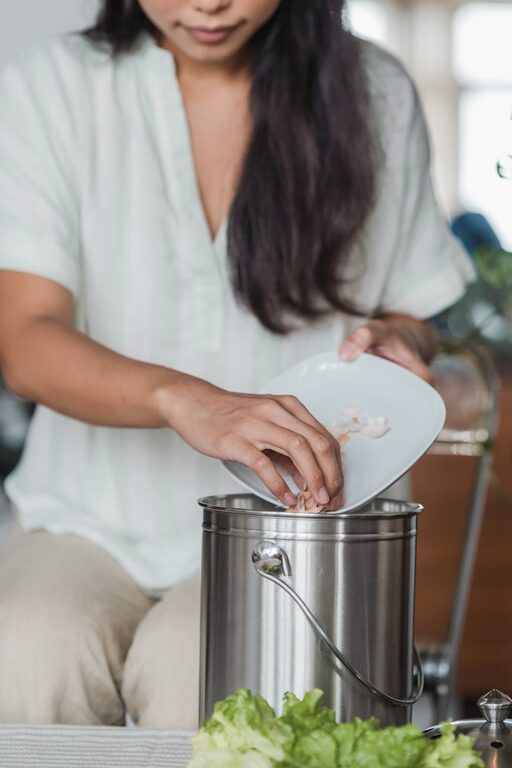
When food scraps are unavoidable, composting is a great way to recycle organic matter into nutrient-rich soil for your garden.
Educate and Involve Your Family
Make reducing food waste a family affair. Teach children about the importance of using food responsibly and let them help with meal planning and cooking.
Final Thoughts
Reducing food waste is easier than it seems. With simple habits like meal planning, smart shopping, proper storage, and creativity in the kitchen, you can make a big difference. Not only will you reduce your environmental footprint, but you will also enjoy fresher food and save money.
Start with a few tips today and gradually add more. Every small step counts towards a sustainable, waste-free home!