
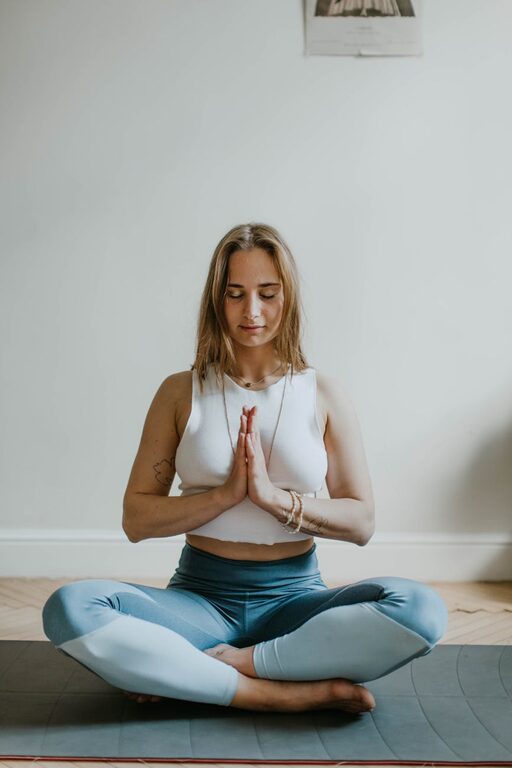
Taking mindful breathing breaks throughout your day is a simple yet powerful way to improve your mental clarity, reduce stress, and reconnect with yourself. If you’re new to mindful breathing, this guide will walk you through easy, beginner-friendly tips to help you get started and make these breaks a natural part of your routine.
What Is Mindful Breathing?
Mindful breathing is the practice of paying attention intentionally to your breath — noticing the inhale and exhale without trying to change it. This moment-to-moment awareness can help ground you in the present, calm your mind, and refresh your focus.
Unlike regular breathing, mindful breathing involves awareness and a gentle focus, which turns it into a meditative experience. The beauty of it is that you can practice mindful breathing anytime, anywhere — whether you’re at your desk, on a walk, or before bedtime.
Why Take Mindful Breathing Breaks?
Short mindful breathing breaks offer many benefits:
– Reduces stress and anxiety: Slowing your breath signals your nervous system to relax.
– Improves concentration: Centering your mind helps reduce distractions.
– Boosts mood: Deep breathing can release tension and promote calmness.
– Enhances self-awareness: Becoming conscious of your breath increases mindfulness.
– Supports physical health: Oxygenates your body and can lower blood pressure.
Making these breaks a regular habit is a simple self-care practice that pays off throughout your day.
Beginner Tips for Your Mindful Breathing Breaks
1. Start Small and Be Consistent
If you’re just beginning, start with just 1 to 3 minutes of mindful breathing once or twice a day. Consistency beats length when forming new habits. Pick a time that works well for you — maybe mid-morning or after lunch — and set a reminder if needed.
2. Find a Quiet, Comfortable Spot
Choose a place where you feel comfortable and won’t be disturbed. This could be your desk chair, a cozy corner, or even sitting outside on a bench. You can practice sitting or standing — the goal is to feel relaxed but alert.
3. Focus on Your Breath, Not on Controlling It
Pay attention to the natural rhythm of your breathing. Notice the sensation of air entering your nose or mouth, filling your lungs, and then gently leaving your body. Resist the urge to change your breath pattern; simply observe it.
4. Use Simple Counting to Stay Present
If your mind starts to wander, gently bring it back by counting each breath. For example, inhale (count 1), exhale (count 2), and continue up to 5 or 10, then start over. This helps keep your attention anchored.
5. Incorporate Guided Breathing Practices
If self-directed practice feels difficult, try guided breathing exercises. Apps like Calm or Insight Timer offer free sessions tailored for beginners. These can provide structure and encouragement as you develop your own practice.
6. Combine Breathing with Posture Awareness
Notice your posture during your breaks. Sit with a straight back, shoulders relaxed, and feet flat on the floor. Good posture supports easy, deep breathing and keeps you alert.
7. Experiment with Different Breath Techniques
Once comfortable with mindful observation, you can try simple techniques, such as:
– 4-7-8 Breathing: Inhale for 4 seconds, hold for 7, exhale for 8.
– Box Breathing: Inhale for 4 seconds, hold for 4, exhale for 4, hold for 4.
– Diaphragmatic Breathing: Focus on deep belly breathing instead of shallow chest breaths.
These are optional, but they can deepen your relaxation and focus.
8. Practice Patience and Kindness Toward Yourself
It’s normal for your mind to wander or for breathing not to feel “perfect.” Mindfulness is about acceptance, not judgment. When distractions arise, acknowledge them gently and return your focus to breathing.
How to Integrate Mindful Breathing Into Your Day
– Set reminders: Use your phone to prompt a mindful breathing break.
– Link to routines: Breathe mindfully before meetings, meals, or starting your computer.
– Use natural cues: Take a mindful breath each time your phone rings or when stepping outside.
– Pair with movement: Combine breathing breaks with gentle stretching or a brief walk.
Common Challenges for Beginners
– Restless mind: Expect thoughts to come and go. The practice is to return attention each time.
– Impatience: Benefits increase with time and regular practice, so be patient.
– Uncomfortable sitting: Adjust your position or do mindful breathing lying down or standing.
– Forgetting breaks: Build the practice gradually, and use reminders.
Final Thoughts
Mindful breathing breaks are a gentle and accessible tool to nurture your mental and physical well-being. Starting small, staying consistent, and approaching your practice with kindness will help this healthy habit grow easily into your lifestyle. Take a moment today to breathe consciously — your mind and body will thank you!
—
Feel free to share your experiences or questions about mindful breathing in the comments below!